
Green is Good!


Our Company:
- As a member of Smartway since 2005, Tandet is dedicated to improving freight transportation efficiency thereby contributing to reduced green-house gas emissions.
- Check out our website for more examples of how Tandet thinks Green.
- Tandet We Care


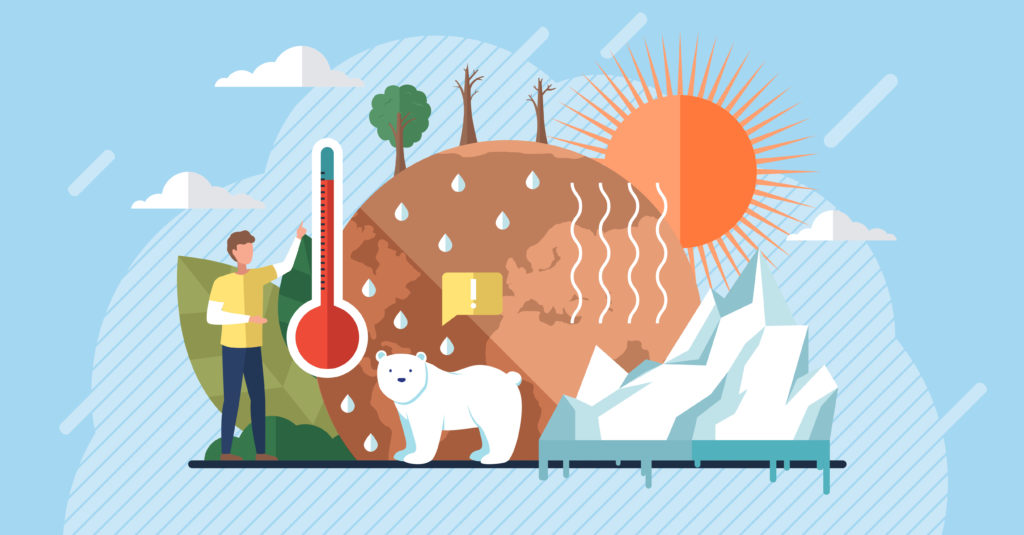
What is a Carbon Footprint?
The total amount of carbon emissions an entity is responsible for.
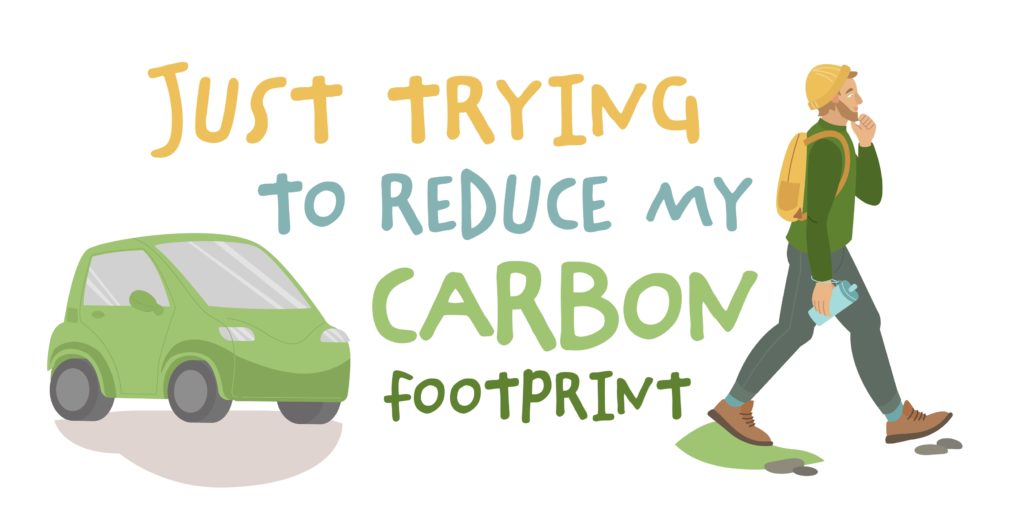
It is important to know your impact so you can find ways to reduce it.
From vehicle emissions, to our shopping habits to energy and water consumption we can reduce our footprint and contribute to sustainability.
Ways to Reduce Your Carbon Footprint
| Create and Maintain Awareness - It starts with awareness. Spend some time considering how your/your family's actions contribute to your carbon footprint. - Challenge yourself/family to make changes that will reduce your footprint. - Consider using a Carbon Footprint Calculator to see how the changes you make are reducing your carbon output. |
| Travel Less/ Travel Differently - Use public transportation, bike or walk whenever possible |
| Save Water - Use a rain barrel and recycle the captured water for gardens, plants and lawns. - Consider what changes you can make to how you wash dishes, do laundry, shower, etc, etc! |
| Save Energy - Take the time to look around and see what's adding to your power consumption - Read on for some ideas that will help you save. |
| Making changes to how we buy groceries is good for the budget and for the environment - Read on to learn more about options such as buying locally, seasonally and choosing organic. |
| Choose Biodegradable Products - Consider making your own cleaning products. Read on for some ideas. |

Reduce:
Plan meals and buy only what you need so good food doesn’t spoil and end up in the garbage. Refer to the Healthy Eating resource for tips on meal planning
Buy wisely by buying what's in season and buy local to reduce fuel delivery emissions.
Store food property for optimal “shelf life.”
Make use of the freezer-it increase food viability from a couple of days to a couple of months in most cases.
Recover:
Use wilting vegetables to make a vegetable stock, make breadcrumbs and croutons from stale bread. Grate broccoli and cauliflower stems for a delicious coleslaw. The possibilities are endless!
Donate and support food programs that divert good food and help people in your community
Recycle:
Participate in your local organic food waste collection or start your own composter.
Feed your garden with nutrient rich food scraps like coffee grounds ,and eggshells. Added benefit-coffee grounds repel pests like slugs an squirrels!
Canadians throw away over 3 million tonnes of plastic waste every year.
Only 9% is recycled while the rest ends up in our landfills, waste-to-energy facilities or the environment.
Plastic waste and marine litter burdens our economy and threatens the health of the environment including wildlife, rivers, lakes and oceans.
There are many little changes we can incorporate into our daily routines that can add up to a big impact.
How to Reduce Plastic
How many can you add to your routine?
- Think reusable; mugs, food containers and shopping bags are easy ideas.
- When it comes to food storage use glass containers instead of plastics.
- Ditch the plastic wrap and give beeswax wrappers a try. Even better make your own with beeswax from a local apiary.
- Check out this website for a video on making your own beeswax wrappers How to Make Beeswax Wraps - Lee Valley Tools
- Refuse the plastic cutlery and straws when you get take-out
- When shopping bring small reusable bags, like a fabric mesh bag, to pack your fruits and vegetables and avoid all those small plastic bags.
- Support businesses that are reducing their plastic footprint.
- Use your purchasing power to buy plastic products that can be reused, recycled, repaired or repurposed.
- Learn about what can be recycled in your municipality, your children's schools and in your workplace.
 Whether at work or at home challenge yourself/your family to go paperless.
- Ask for online bills instead of mailers
- Refuse flyers that are delivered in your mail
- Use electronic formats instead of paper
- If you have a hard time getting away from "old school" habits, start by repurposing your paper scraps for note taking/list making
 Cut Back On Energy Use
- It’s good for the environment and the pocketbook!
- It’s estimated the average Canadian home leaks about 450 kilowatts per year through invisible or phantom loads.
- When purchasing appliances look for the Energy Star certification for products that are qualified as high efficiency
- Take a walk around your home and workplace to see all the ways you are losing phantom power:
- Unplug small appliances and power bars when not in use.
- Unplug your phone charger once you are "juiced up."
- Unplug the computer, the printer and other digital devices as appropriate.
- What else is contributing to your energy drain?
 How to Help in Your Backyard
- More than 1/3 of the food we eat and ¾ of wild flowering plants depends on pollinators.
- Some of Canada's 800 species of native bees are threatened and declining
- We don't need a large property to support these little pollinators. Planter baskets with native plants will attract the bees and butterflies. Add a place for the butterflies to grab a little drink too.
- Want to learn more about bee and butterfly friendly plants? Check out these pages on the David Suzuki website and learn more about a Halton project at the Facebook page.
- How to create a wild bee sanctuary - David Suzuki Foundation
- Attract butterflies with native plants — Eastern Canada - David Suzuki Foundation
Being green conscious and reducing our carbon footprint can occur in big and small ways.
Simple things like buying local food that is in season and reducing the use of plastics can add up to big changes when we all contribute to the effort.
Add some native plants and a bee bath to attract bees and butterflies that are essential to the food we eat.
Want to share the ways you are reducing your carbon footprint?
Click on Have a Suggestion and we may add your contributions to the page.